Your Cart is Empty

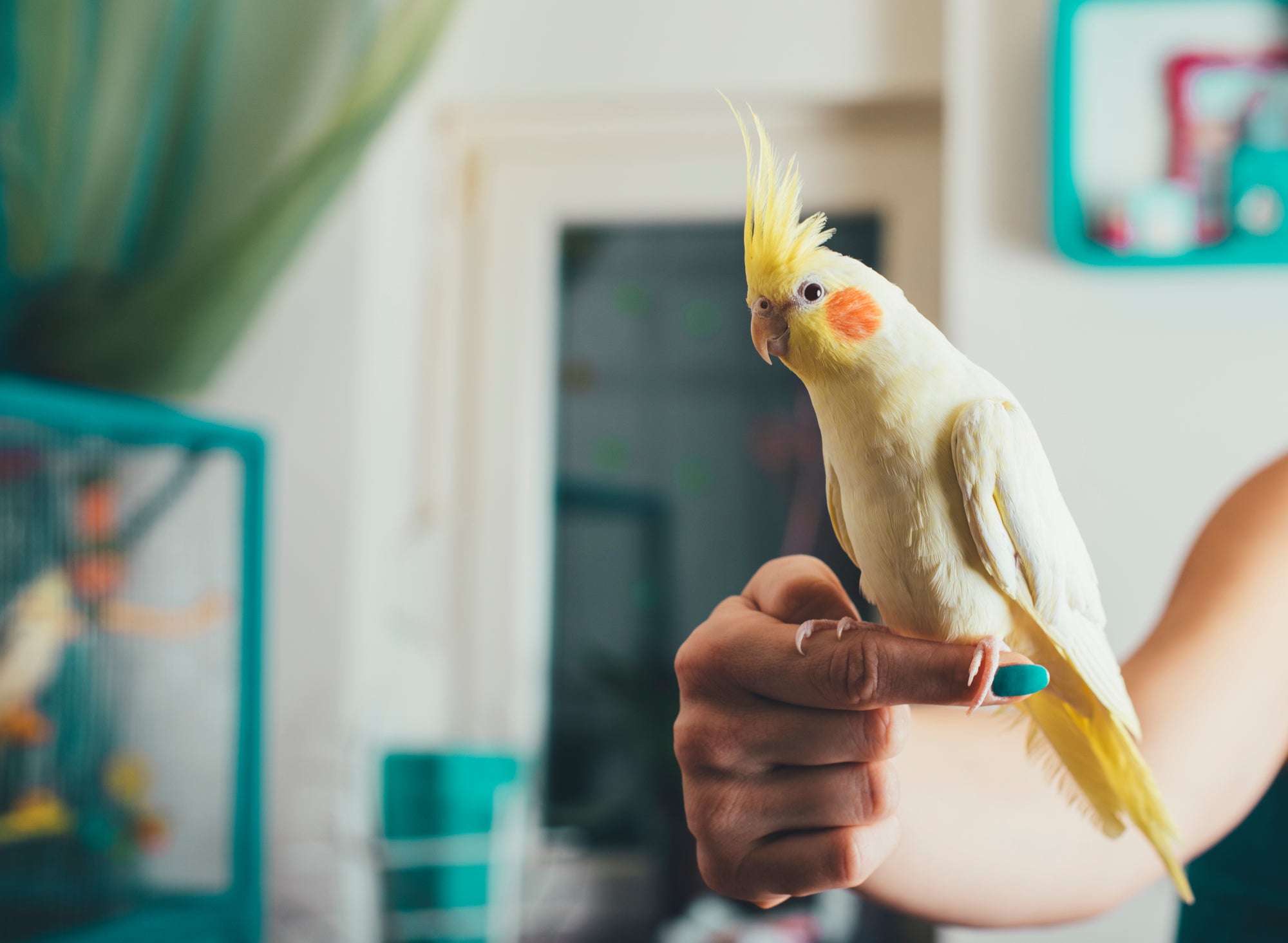
Birds are magnificent and intelligent animals that can make charming pets.Because they don't need to be walked every day (like dogs) or frequently brushed (like cats), many believe their maintenance is minimal. However, birds have particular needs that might surprise you!
If you're considering welcoming a pet bird into your home, or already have one, here are some instructions on how to properly care for them.
While it can be easy to care for a bird, you need to be aware of certain things before opening your home to them.
It might seem easy to walk into a pet store and leave with one or two birds, but this isn't the best way to become a pet owner.
Each bird species has its specific needs. You need to learn everything there is to know about the type of bird you plan to adopt. Many are attracted to parrots because of theiraura and glamorousappearance, for example, but when they discover their aggressive behaviors at home,problems can arise.
Some birds, even the smallest ones like canaries (10 years), can live for a long time. Larger birds, like some parrot species, can live 75 to 100 years.
So before heading to the petstore, make sure this commitment appeals to you!
The song of birds can be magical on a beautiful spring morning… Now imagine yourselfhearing deafening calls andwhistleswhen you're watching TV… Birds love to respond to everything they perceive, and the level of noise they produce can get on anyone'snerves.
So, are you someone who greatly appreciates silence or can you cope with noise? If you are easily disturbed, you should chooseanother pet.
Youmay not need towalk your bird, but be aware that it needs to come out of its cage every day to stretch its wings. And because birds are social animals, they like to interact with humans.
You will also need to scheduletime to feedandgroom themand to clean their cage.
Pet birds have two habitats that you will need to carefully adapt: their cage and your home.
Cages should be large enough for birds to spread their wings and fly a minimum.If you get several birds, allow even more space for them to move. Birds are usually happier when they have plenty of space to soar and stay in shape.
Some birds also sleep better when their cage iscovered at night. A cagecover can thenhelp them rest8 to 12 hours and stay fit and happy! Consult your species' care guide to see if a cover is recommended.
You will also need cage accessories, such as comfortableperches,waterers andfood bowls,baths, andtoys to stimulate them.And don't forget thegravel paper for the bottom of the cage.
Since birds need to leave their cage daily, you'll need to ensure your home's interior is safe.
Consider your home's layout and make the right decisions. Will you give them access to the entire house, or will your bird fly in just one room? Remember that most birds are nothouse-trained, so...
No matter where they fly, make sure it's bird-proof before opening their cage door. Mirrors,dangling electrical cords, open toilet bowls, ceiling fans, and open water containers can be dangerous. Some plant species, likephilodendrons,can be toxic to birds.
Finally, since birds have a fragile respiratory system, you'll need to ensure good air quality.Cigarette smoke, cooking fumes, and self-cleaning ovens can be harmful to birds.
Like humans, birds need avaried diet to stay healthy. In addition toseeds and pellets, you should give them fresh fruits or vegetables daily. Some birds, such as cockatiels, areomnivores, while others, likecanaries and doves, need grit in their diet.Again, consult your bird's care guide to learn everything about your species'diet.
Certain species also need morevitamins and minerals. And of course, birds enjoytreats from time to time; keep somenearby to make their diet interesting and varied.
Water is an important part of a bird's diet.They need to drink plenty of fresh water daily. It's advisable to change their water once or twice a day, especially for birds like parakeets who like to soak their food before swallowing it.
Birds are intelligent creatures who absolutely need to play and be stimulated, like other animals. As mentioned above, they must fly outside their cage and spend time with you every day. Therefore, consider buying a fewtoys and rotating them regularly.You can also come up withchallenges to test their skills.
Most birds need to forage for food in nature, which manylove to do at home as well.You can help them by safelyhangingleaves and vegetables from the upper bars of their cage.You could also challenge your bird by placing somefood in paper cups, wrapped in paper, orarrangedunder cardboard.
tricks. This can be fun for both you and your companion! We all know that some parrots can learn to imitate words and sounds. Birds can also learn to step onto your finger on command, sit on your shoulder, and evenspin in circles.
Since most birds live in flocks, they are often happier living with friends. If you don't plan to have time to play with your bird every day, consider getting a pair or introducing them to a friend. If the lattersolution suits you, do it graduallyand make sure to keep them separate until they get along well.
Pet birdsalso need regular care, such as groomingandnail maintenance.
Some birds enjoy a simple grooming session in their cage, while others prefer to be sprayed with a water bottle. You can also get aspray that prevents lice and mites. The frequency of your bird's grooming will depend on its species and preferences. Your care guide will tell you more about this.
Birds also have claws that needto be maintained. When claws are too long, they can misalign your bird's feet and make mealtime difficult.Self-grooming perches are made ofdurable material tohelp your bird keep its claws short.Specialized claw scissors are also a good, safe grooming tool.
Beaks also grow continuously. If you provide chewing toys for yourpet,such as cuttlebone for small birds or wooden toys for larger birds, this should not be a problem. However, a beak can overgrow due toillness, so if this is the casefor your bird, consult a veterinarian.
once a week. Let the detergent sit for 15 minutes before rinsing thoroughly with hot water.
Key Takeaways
Canadians owned approximately2.51 million birds in 2020. This means that with a little time and effort, they can be great companions.
Remember to provide a safe habitat for your bird with enough space for it to stretch its wings, as well as allowing it to fly outside its cage daily. Offer a varied diet with fresh fruits and vegetables. Keep your bird stimulated with toys and interesting challenges. Finally, plan time to regularly clean their cage and groom them, especially by trimming their nails.
Do you need advice regarding cages, toys, and food?With over 40 years of experience, we can help you find what you need.Contact us without delay!